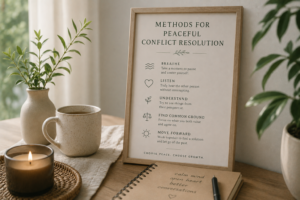
When two people share the responsibility of raising children after separation or divorce, conflicts can arise. These conflicts may involve schedules, communication, or decisions about the children’s welfare. I understand how challenging this can be. That is why learning effective methods for resolving conflicts peacefully is so important. It helps create a calm environment where both parents can work together for the best interests of their children.
Understanding the Importance of Resolving Conflicts Peacefully
Resolving conflicts peacefully is not just about avoiding arguments. It is about building a foundation of respect and cooperation. When parents find ways to communicate calmly and solve problems together, children feel more secure. They see their parents working as a team, even if they live apart.
One practical way to start is by setting clear boundaries. For example, agree on specific times to discuss parenting issues and stick to those times. This prevents conversations from turning into heated arguments. Another helpful tip is to listen actively. This means really hearing what the other person is saying without interrupting or planning your response while they talk.
By focusing on respect and understanding, parents can reduce stress and avoid costly court battles. This approach supports the well-being of children and helps parents feel more confident in their co-parenting roles.
Practical Steps for Resolving Conflicts Peacefully
There are several methods that I have found useful for resolving conflicts peacefully. These steps are simple but powerful when practiced consistently.
- Stay Calm and Take a Pause When emotions run high, it is easy to say things we don’t mean. Taking a moment to breathe deeply or step away for a few minutes can help calm your mind. This pause allows you to respond thoughtfully rather than react impulsively.
- Use “I” Statements Instead of blaming or accusing, express your feelings using “I” statements. For example, say “I feel worried when the schedule changes suddenly” instead of “You never stick to the plan.” This reduces defensiveness and opens the door for honest dialogue.
- Focus on the Issue, Not the Person Keep the conversation about the problem, not personal attacks. For example, discuss how to manage pick-up times rather than criticizing the other parent’s character.
- Seek Common Ground Look for areas where you both agree. This builds a sense of teamwork and makes it easier to find solutions that work for everyone.
- Consider Mediation Sometimes, having a neutral third party can help parents communicate better. Mediation offers a safe space to discuss concerns and reach agreements without going to court.
These steps are part of a larger process that supports peaceful conflict resolution. They encourage cooperation and reduce the stress that often comes with parenting after separation.
What are the 3 C’s of Conflict Resolution?
The 3 C’s of conflict resolution are Communication, Cooperation, and Compromise. These three principles guide parents toward peaceful solutions.
- Communication means sharing your thoughts and feelings clearly and listening to the other person. It is the foundation of understanding.
- Cooperation involves working together to solve problems. It means putting aside differences to focus on what is best for the children.
- Compromise requires flexibility. Sometimes, neither parent gets everything they want, but both give a little to reach a fair agreement.
By practicing the 3 C’s, parents can turn conflicts into opportunities for growth. For example, if one parent wants to change the weekend schedule, they can communicate their reasons, cooperate to find a workable plan, and compromise on timing that suits both.
How to Maintain Peaceful Conflict Resolution Over Time
Maintaining peaceful conflict resolution is an ongoing process. It requires patience, practice, and commitment. Here are some tips to help keep the peace long-term:
- Regular Check-Ins
Schedule regular times to discuss parenting matters. This keeps communication open and prevents small issues from growing.
- Stay Child-Focused
Always bring the conversation back to what is best for the children. This shared goal helps parents stay united.
- Use Written Agreements
Putting agreements in writing can prevent misunderstandings. It also provides a reference if questions arise later.
- Seek Support When Needed
If conflicts become too difficult to manage alone, consider professional help. Mediation or counselling can provide tools and guidance.
- Practice Self-Care
Taking care of your own emotional health helps you stay calm and patient during difficult conversations.
By following these tips, parents can create a positive co-parenting relationship that benefits everyone involved.
Moving Forward with Confidence and Calm
Navigating parenting after separation is not easy, but it is possible to do so with kindness and respect. Using methods for resolving conflicts peacefully helps parents avoid unnecessary stress and focus on what truly matters – the well-being of their children.
Remember, peaceful conflict resolution is a skill that can be learned and improved over time. It takes effort, but the rewards are worth it. When parents work together calmly and confidently, they create a stable and loving environment for their children to thrive.
If you want to explore more about how to resolve conflicts peacefully, consider reaching out to professionals who specialize in this area. They can offer support tailored to your unique situation.
By choosing peace, you are choosing a better future for your family.
Thank you for taking the time to read about these important methods. I hope you find them helpful on your journey.