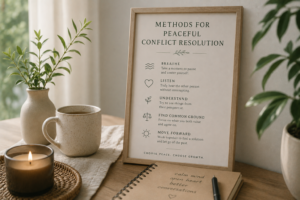
When parents separate or divorce, managing the ongoing relationship can be challenging. The goal is to create a peaceful environment for everyone involved, especially the children. I have found that using proven conflict resolution strategies can make a significant difference. These strategies help reduce tension, improve communication, and build cooperation. In this post, I will share advanced conflict resolution techniques that can help you navigate co-parenting with confidence and calm.
Understanding the Importance of Advanced Conflict Resolution Techniques
Conflict is natural when two people have different views or needs. But when children are involved, unresolved conflict can cause stress and confusion. That is why advanced conflict resolution techniques are essential. They go beyond basic communication skills and focus on creating lasting solutions.
These techniques help you:
- Stay calm during disagreements
- Listen actively and empathetically
- Express your needs clearly without blame
- Find common ground and compromise
- Build trust and respect over time
By mastering these skills, you can avoid costly court battles and create a parenting plan that works for everyone.
Key Advanced Conflict Resolution Techniques to Try
Here are some practical techniques I recommend for effective conflict resolution:
1. Use “I” Statements
Instead of saying “You never listen,” try “I feel unheard when my concerns are ignored.” This simple change reduces defensiveness and opens the door for honest dialogue.
2. Practice Active Listening
Show you are listening by nodding, summarising what the other person said, and asking clarifying questions. This shows respect and helps avoid misunderstandings.
3. Set Clear Boundaries
Agree on what topics are open for discussion and which are off-limits. Boundaries help keep conversations focused and respectful.
4. Take Breaks When Needed
If emotions run high, it’s okay to pause the conversation. Taking a short break allows both parties to cool down and return with a clearer mind.
5. Focus on the Child’s Best Interests
Always bring the conversation back to what is best for the children. This shared goal can unite parents even when they disagree on other matters.
6. Use Neutral Language
Avoid words that blame or attack. Instead, use neutral language that describes facts and feelings without judgment.
7. Seek Mediation When Necessary
Sometimes, a neutral third party can help parents find common ground. Mediation is a safe space to explore solutions without going to court.
These techniques are part of a broader set of conflict resolution strategies that can transform how separated parents communicate and cooperate.
How to Apply These Techniques in Real Life
Applying these techniques takes practice and patience. Here are some steps to help you get started:
- Prepare Before Conversations: Think about what you want to say and how to say it calmly.
- Choose the Right Time and Place: Find a quiet, neutral space without distractions.
- Stay Focused on Solutions: Avoid rehashing old arguments. Instead, look for ways to move forward.
- Be Willing to Compromise: Flexibility shows you value cooperation over winning.
- Keep the Children’s Needs Central: Remind yourself that peaceful co-parenting benefits your children most.
For example, if you disagree about holiday arrangements, use “I” statements to express your feelings, listen to the other parent’s perspective, and work together to find a fair schedule. If needed, bring in a mediator to help guide the discussion.
Building Long-Term Cooperation and Trust
Conflict resolution is not a one-time event. It is an ongoing process that requires commitment. Here are ways to build lasting cooperation:
- Regular Check-Ins: Schedule times to discuss parenting matters calmly.
- Celebrate Small Wins: Acknowledge when you successfully resolve an issue.
- Keep Communication Open: Use texts or emails for updates and avoid surprises.
- Respect Each Other’s Roles: Honour each parent’s relationship with the children.
- Seek Support When Needed: Don’t hesitate to ask for help from professionals or support groups.
By focusing on these habits, you create a foundation of trust and respect that benefits your children and reduces stress.
Moving Forward with Confidence and Peace
Navigating co-parenting after separation or divorce is never easy. But with the right tools, it can become manageable and even positive. Using advanced conflict resolution techniques helps you stay calm, communicate clearly, and focus on what matters most – your children’s well-being.
Remember, you are not alone. There are resources and professionals ready to support you. Embracing these strategies empowers you to co-parent peacefully and confidently, avoiding unnecessary court battles and creating a healthier environment for your family.
If you want to explore more about effective conflict resolution, consider learning about conflict resolution strategies that can guide you through this journey.
Thank you for taking the time to read this post. I hope these insights help you find peace and cooperation in your co-parenting journey.